
Description
Buy SLU-PP-332 UK | SLU-PP-332 5mg Research Compound
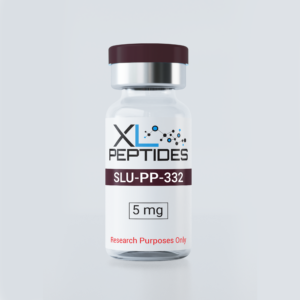
Buy SLU-PP-332 UK from XL Peptides for controlled in-vitro laboratory research. Our SLU-PP-332 research compound is supplied as SLU-PP-332 5mg dry material for experimental studies of estrogen-related receptor signalling, mitochondrial pathways and cellular metabolism. As an SLU-PP-332 ERR agonist, it is investigated in controlled models of ERR-linked transcriptional activity.
SLU-PP-332 is a synthetic small-molecule compound investigated as an agonist of the estrogen-related receptor family, including ERRα, ERRβ and ERRγ. In particular, researchers use it to study ERR-linked transcriptional signalling, mitochondrial activity and metabolic pathway responses.
However, laboratory and preclinical findings do not establish safety, efficacy or suitability for human use. Therefore, XL Peptides supplies SLU-PP-332 strictly as a laboratory research material.
For laboratory research only. Not for human or veterinary use.
SLU-PP-332 5mg key features
- Contains 5 mg of dry research material.
- Small-molecule estrogen-related receptor research compound.
- Investigated as an ERRα/β/γ agonist in experimental models.
- Suitable for controlled in-vitro receptor-signalling studies.
- Relevant to mitochondrial and metabolism-linked pathway research.
- Intended strictly for laboratory research.
SLU-PP-332 5mg product specifications
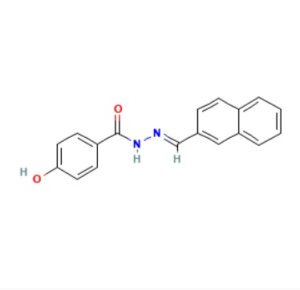
- Product name: SLU-PP-332
- Product size: 5 mg
- Class: Small-molecule ERR research compound
- CAS: 303760-60-3
- PubChem CID: 5338394
- Molecular formula: C18H14N2O2
- Molecular weight: 290.3 g/mol
- Research area: Estrogen-related receptor signalling
- Form: Dry solid / powder
- Appearance: White to off-white solid
- Intended use: Laboratory research only
Buy SLU-PP-332 UK — Handling & Storage
Correct laboratory handling helps maintain consistency between experiments. Therefore, keep unopened SLU-PP-332 material cool, dry and protected from direct light and moisture.
- Dry storage: Keep the material at 2–8 °C, protected from light and moisture.
- Preparation: Follow laboratory SOPs for solvent selection, concentration and assay compatibility.
- Prepared solutions: Store prepared material under conditions validated for the experimental protocol.
- Light protection: Protect prepared solutions from unnecessary light exposure where appropriate.
- Laboratory practice: Follow validated procedures for contamination control, concentration and experimental use.
Buy SLU-PP-332 UK for ERR Research
Researchers looking to buy SLU-PP-332 UK may use this compound in controlled experimental investigations of estrogen-related receptor signalling and transcriptional responses.
Additionally, experimental systems can examine ERRα, ERRβ and ERRγ activity under defined laboratory conditions.
For example, researchers may assess downstream gene-expression changes, receptor-dependent signalling and mitochondrial pathway responses.
Because these studies remain laboratory and preclinical research, they do not establish clinical effectiveness or human safety. Therefore, XL Peptides supplies SLU-PP-332 solely for non-clinical research applications.
Buy SLU-PP-332 — ERR Signalling Studies
Researchers use SLU-PP-332 as a small-molecule chemical probe in experimental models of estrogen-related receptor activity.
Moreover, published research has investigated SLU-PP-332 across ERRα, ERRβ and ERRγ signalling systems, with particular attention to ERRα-dependent transcriptional responses.
For example, cell-based assays can compare receptor activation, transcriptional signalling and downstream metabolic responses under controlled conditions.
In addition, the SLU-PP-332 ERR agonist is used in experimental systems to compare receptor activation, transcriptional signalling and downstream metabolic responses under defined laboratory conditions.
Furthermore, structure–activity studies can examine how modifications to the SLU-PP-332 scaffold alter receptor potency, selectivity and physicochemical properties.
Therefore, the compound provides a defined research tool for studying ERR signalling mechanisms rather than clinical outcomes.
Why Researchers Buy SLU-PP-332 UK
Researchers may select SLU-PP-332 5mg when investigating estrogen-related receptor signalling, mitochondrial biology and metabolism-linked pathways.
Additionally, its defined small-molecule structure makes it suitable for controlled receptor-pharmacology and structure–activity studies.
Furthermore, researchers sourcing SLU-PP-332 UK can obtain the material domestically for clearly defined research-use-only applications.
Related SLU-PP-332 research products
Researchers investigating mitochondrial, metabolic and cellular-energy pathways may also be interested in:
- MOTS-c 10mg — for mitochondrial and metabolic-signalling research
- SS-31 10mg — for mitochondrial-pathway research
- NAD+ — for broader cellular metabolism and bioenergetics research
Frequently asked questions
What is SLU-PP-332?
SLU-PP-332 is a synthetic small-molecule research compound investigated as an agonist of the estrogen-related receptor family. In particular, researchers study its effects on ERR-linked transcriptional and metabolic pathways.
Is SLU-PP-332 a peptide?
No. SLU-PP-332 is a small-molecule research compound rather than an amino-acid peptide sequence.
What is an SLU-PP-332 ERR agonist?
The term SLU-PP-332 ERR agonist refers to its experimental activity at estrogen-related receptors, including ERRα, ERRβ and ERRγ.
How much SLU-PP-332 does each vial contain?
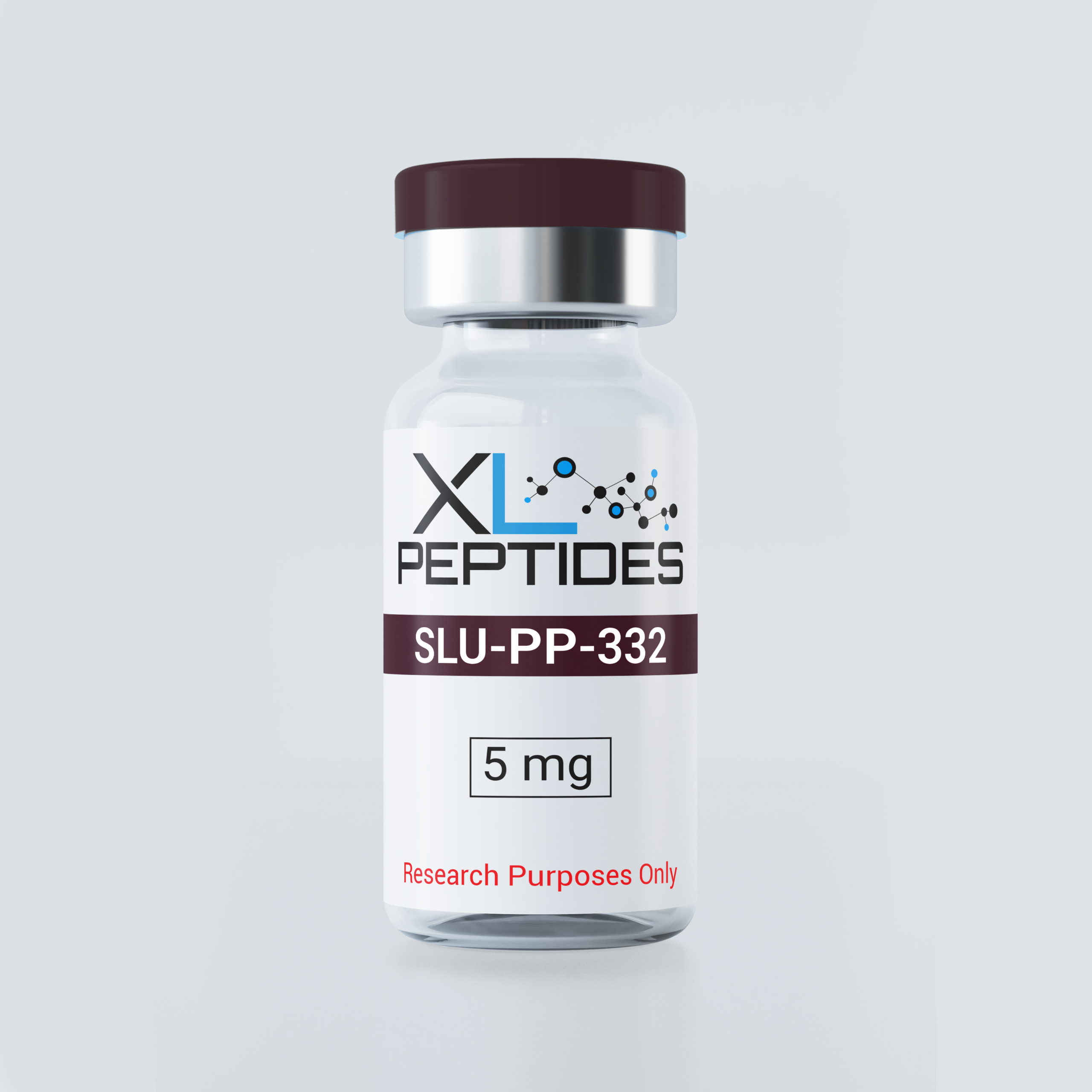
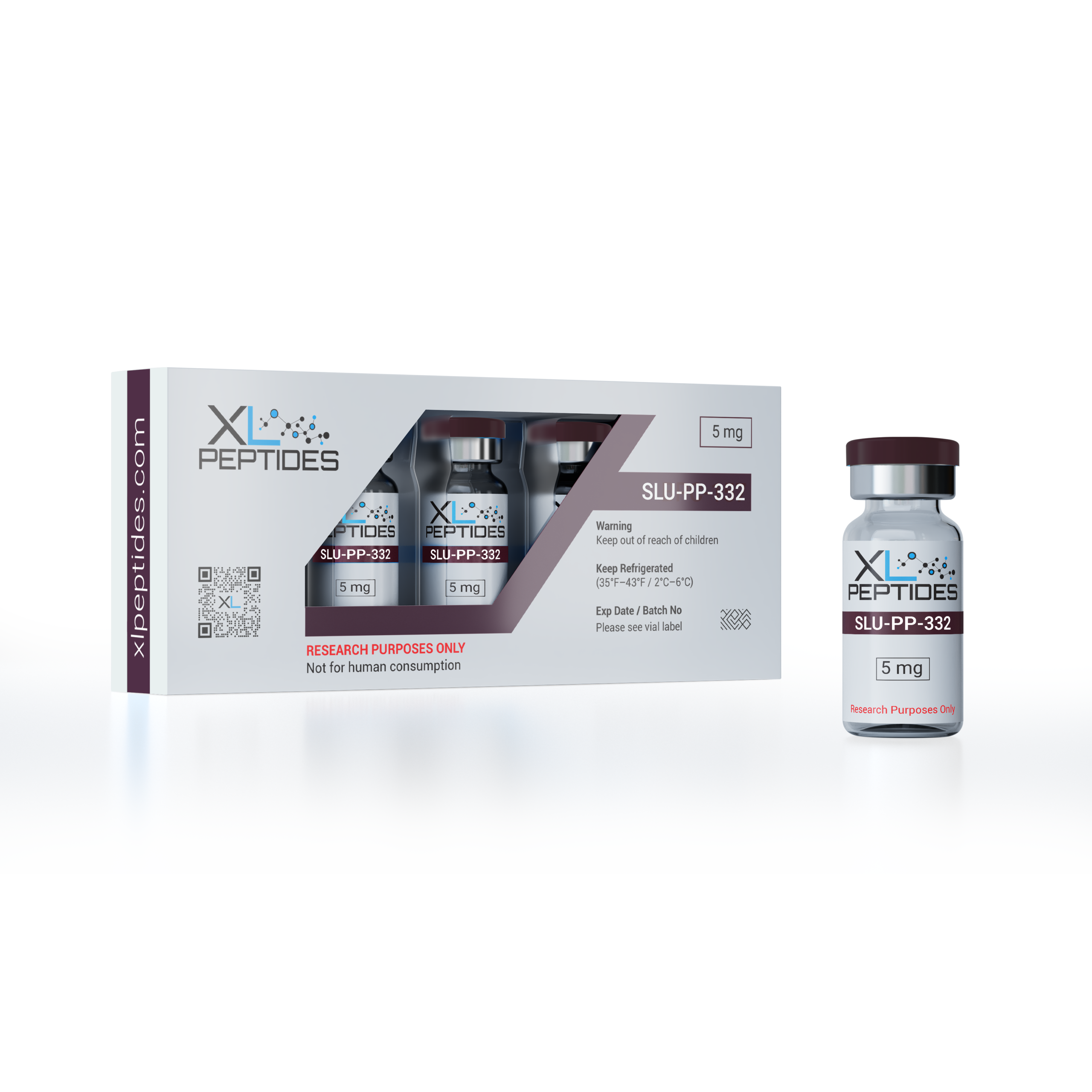
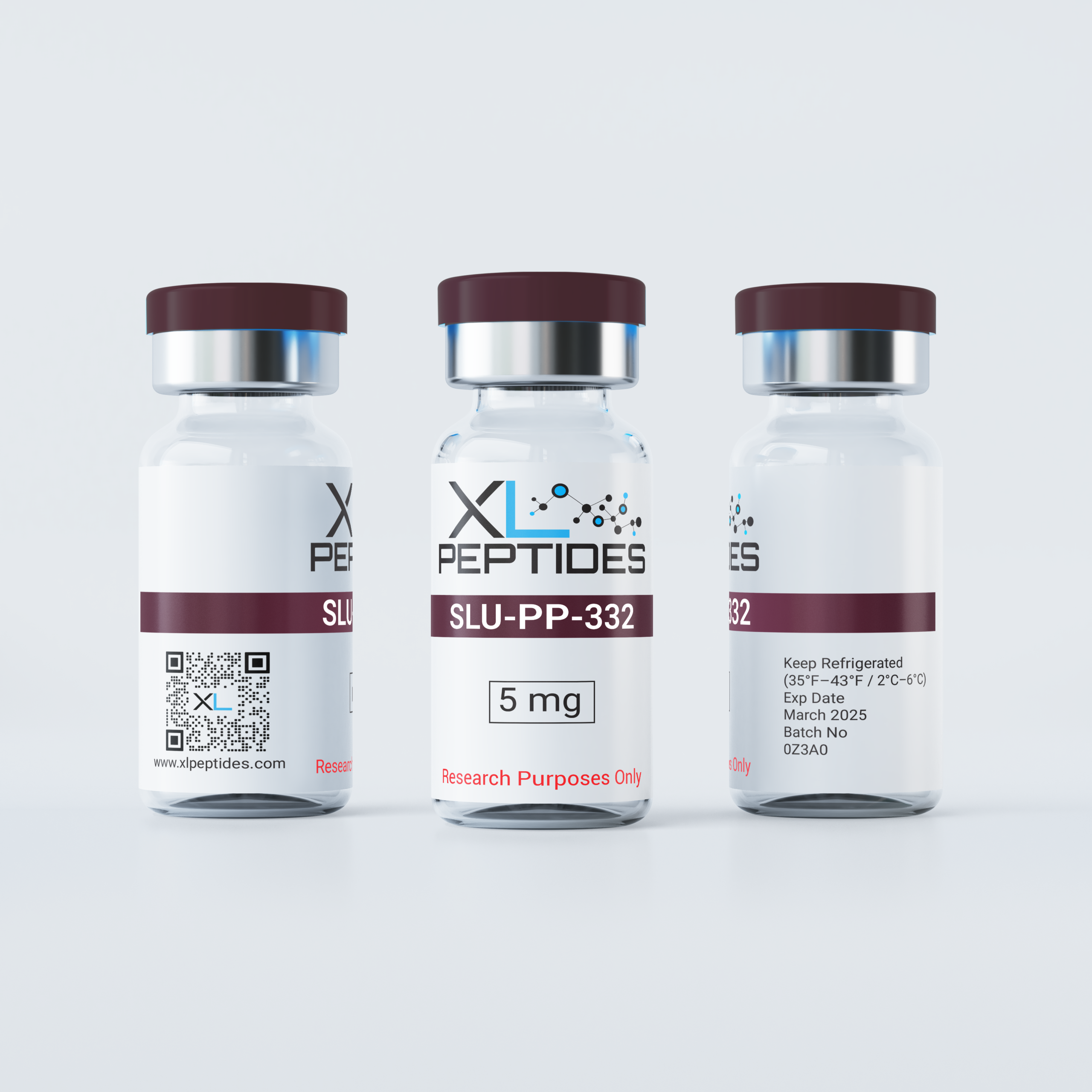
Each vial contains SLU-PP-332 5mg of dry research material.
What do researchers study with SLU-PP-332?
Researchers investigate estrogen-related receptor signalling, transcriptional activity and mitochondrial pathways. In addition, experimental systems can examine downstream metabolic and cellular-energy responses.
How should laboratories store SLU-PP-332?
Keep unopened dry material at 2–8 °C and protect it from light and moisture. After preparation, however, laboratories should follow validated SOPs appropriate to the solvent and experimental protocol.
Where can researchers buy SLU-PP-332 in the UK?
Researchers can buy SLU-PP-332 from XL Peptides for controlled in-vitro laboratory research. Furthermore, each vial contains 5 mg of dry SLU-PP-332 research material.
Is SLU-PP-332 intended for human use?
No. XL Peptides supplies SLU-PP-332 strictly for laboratory research. Therefore, it is not intended for human or veterinary use, consumption, administration, diagnosis, treatment or clinical applications.
SLU-PP-332 research papers & external resources
Legal & safety information
XL Peptides supplies this material strictly for laboratory research. Therefore, it is not a medication, food, supplement, cosmetic or consumer-use product and is not for human or veterinary use.
Additionally, customers confirm through purchase that appropriately qualified personnel will handle the material according to institutional procedures and applicable laws and regulations.
Disclaimer
Used solely for in vitro experiments and cannot be:
- Used in clinical trials involving humans
- Administered to humans as part of an experiment or investigation
- Supplied to another party for human investigational use
Additional information
| Weight | 0.07 kg |
|---|---|
| Dimensions | 3.8 × 1.6 cm |
XL Peptides works with various third-party laboratories to provide testing reports for all its manufactured products.
Date | Batch No | Issuing Lab | Lab Report | View QR |
01-Sept-26 | 330SLU | 
| 
| |
18-Aug-25 | 
| 
|
To find out more about our testing policy, please visit our Testing page.
Reviews
There are no reviews yet.